Build a little curiosity.
Learning programming, sensing, and robot behavior through supervised projects.
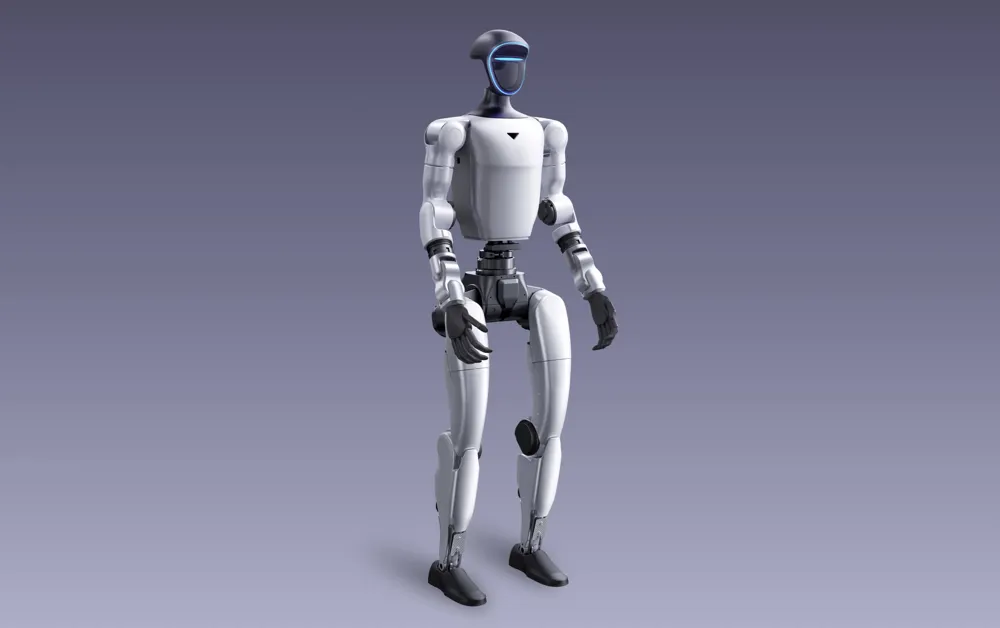
Where would the help actually help?
If you are among parents, hobbyists, and independent learners, start here: learning programming, sensing, and robot behavior through supervised projects. Pick one familiar routine. What is the annoying part, who handles it today, and what would a better day look like? A clear answer gives your robot search a much better starting point.
Bring your world to the demo.
Pay particular attention to age suitability, moving parts, budget, documentation, and workspace. A tidy demonstration space may feel very different from your own place. Ask to see the messy moments too: the interruption, the obstacle, and the person who helps the robot start again.
Three things worth seeing.
- A first project from the documentation
- Required subscriptions and software
- Replacement parts and adult supervision
Count the little wins.
Projects completed
Time to a working first program
Compare the baseline with pilot results, including human assistance, failed cycles, consumables, and service time.
Your next rabbit hole.
These manufacturer profiles are research starting points. Product fit, configuration, regional availability, and support for your specific task must be confirmed directly.
Put your ideas in one place.
Save this application in this browser, add private planning notes, and download your shortlist as a JSON file. Nothing is submitted or dispatched.
Open my plannerA few more good questions.
While you’re curious…
Big ideas. A proper workbench.
Prototyping manipulation and automation in a controlled workspace.
Take a look around ↗residential / Home floor careMore living. Less vacuuming.
Vacuuming and mopping on a repeatable schedule.
Take a look around ↗residential / Window cleaningA brighter outlook.
Cleaning glass within the selected machine’s supported surfaces.
Take a look around ↗